



Family Caregivers Are Carrying More Than We Realize
Many Central Oregonians don’t apply for the job. It arrives by happenstance after a phone call from a doctor’s office, in the slow realization that a parent no longer manages their day-to-day the way they used to, or in a hospital hallway where a nurse asks who will be at home after discharge. From that moment, a daughter, a husband, a wife, a son, or a neighbor becomes what the paperwork calls a caregiver.
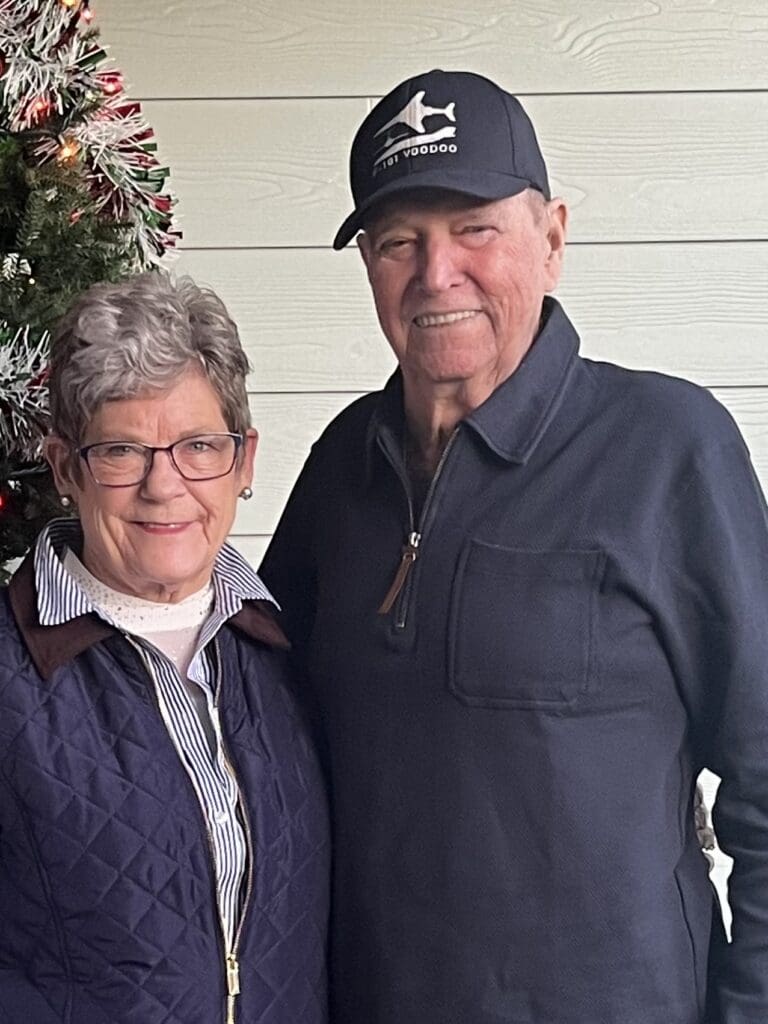
November is National Family Caregivers Month, and this year we wanted to tell that story from the inside. So we sat down with BJ, who has been caring for her husband, RJ, at their home in Central Oregon for the past six years. What she shared with us and gave her blessing to share with you is what we commonly hear from families across Central Oregon.
The Work Nobody Sees
BJ first became a caregiver through the state of Oregon in 2007. She did this to care for her mother, who passed in 2010. Then, she was a caregiver for her father and brother, who passed in 2017 and 2018.
Each had unique needs shaped by their illness. After almost 20 years as a caregiver, BJ knew the job inside and out. But she shared something a lot of our families would agree with: caring for a husband with dementia is the hardest. You see, her husband was diagnosed with Parkinson’s Disease 26 years ago, but his symptoms were pretty mild. Then he was diagnosed with multiple myeloma cancer and began treatment in 2020. Now in remission, the illness that is taking the most toll is Lewy body dementia.
Ask BJ what a day looks like and the list runs long before she gets to the part most people picture.
“I wake at 7 am and get RJ’s medication ready, then make him breakfast and take him to any appointments he has scheduled.”
But people don’t see the phone calls she takes for RJ. The bills she pays. The house she cleans. The laundry, the yardwork, and let’s not forget the dog. And that is on top of caring for RJ, her beloved husband of 45 years.

“RJ was good about helping before he got bad, but can’t help now because he gets really tired. Some days he doesn’t feel like doing anything. Each day is different.”
-BJ
BJ is far from alone. AARP estimates that about 63 million Americans provide ongoing care for someone with a serious health condition or disability. In a region like ours, where the nearest specialists for some illnesses may be over the pass and adult children often live out of state, one person often ends up carrying a larger share.
What makes caregiving heavy is rarely one big thing. It is the accumulation of small ones, every day, with no end date written down anywhere.
The Part That Surprised Her
One of the hardest parts of caregiving is making time for yourself. When you are responsible for so much, it can be almost impossible to get away. Thankfully, BJ has help from two granddaughters who live nearby. Each comes once a week and helps for a few hours. While BJ was and is tremendously grateful for their help, she knew she needed more, but getting away felt impossible.
Then there is the guilt of leaving that many caregivers feel. The fear that something could happen while they are away keeps many on the job when they should be resting. RJ takes 34 pills split up four times throughout the day. Because of RJ’s dementia, he felt safe when she was near, so she rarely had a moment to herself.
“I had the feeling that I could no longer do it alone. I broke down crying and got really depressed.”
After all these years as a caregiver, BJ knows the importance of taking care of herself so she could take care of her loved one, but no one was giving her a path that seemed viable. One provider suggested an Assisted Living facility, but the thought of RJ leaving home and being separated from her wasn’t one she was ready to consider.
Then a therapist suggested ClearPath Healthcare.
“I only learned about Transitions back in January (of 2026), but I thought it meant transitioning to hospice, so I didn’t do anything. We weren’t there yet.”
-BJ
When things got really bad, she knew she had nothing to lose and made the call. That one call changed everything.
“It felt like a door was opening.”
How ClearPath Showed Up
BJ didn’t realize all the help she could access. She’d shouldered it alone for years; the weight of all she carried finally felt lighter.
“It was Angela who explained what Transitions is, and I thought it was a miracle.”
-BJ
Angela connected BJ with a variety of resources, including helping her with the VA so she could access benefits they didn’t realize they were entitled to.
After the assessment, Angela was able to connect BJ to services that met some of their needs. Transitions means BJ now has someone who can come in and shoulder some of the work she tirelessly managed on her own. Through the VA, RJ may be entitled to 11 hours of home care per week, so they will have someone helping her with laundry, the dishes or other things.
“I called the VA before and never got the right person and was shuffled around. Then Angela stepped in, and I felt like I had someone to lean on.”
What She Would Tell Another Caregiver
We asked BJ what she would say to someone a year behind her on this road. Her advice was simple: “Enjoy the time you have left with them. They are special, but take care of yourself. Find time for yourself.”
She also wants to make sure people don’t feel as lost and lonely as she did.
“Being a caregiver is a full-time job, plus more. I feel like people don’t realize what you are going through. Friends don’t reach out because they don’t know what to say, and RJ isn’t the RJ they knew, so it is isolating. I wish I didn’t get to the point that I felt frustrated and overwhelmed.”
That’s the crux of it all. So many people need help and are doing the best they can, but they struggle and feel alone.
Finding Gratitude in Life’s Challenges
As we near Thanksgiving, we asked BJ what she is most grateful for this year, and despite the struggles she’s faced, she had many.
“I am grateful that I still have my husband. Our house is paid off, and we aren’t starving. I don’t know what we will do on Thanksgiving, but I am sure my granddaughters will be involved.”
-BJ
If You Are the One Carrying It
If you recognized yourself in BJ’s story, you don’t have to wait for a crisis to reach out. A call to ClearPath is a conversation, not a commitment. We will listen to what is happening at home and tell you which of our programs fits, whether that is Transitions, in-home primary care, hospice, or a referral to a resource we trust. Thank you to BJ and to every family caregiver in Central Oregon.
Call 541.548.7483 or reach us through our website.